Black Cemeteries: Preserving History and Dignity in Death, Part I

Discover the history, traditions, and cultural significance of Black cemeteries and funerary practices in the U.S.
By Monica El-Amin, African American History Coordinator
Black cemeteries in the United States are more than just resting places for the deceased. They are a testament to resilience, a symbol of cultural preservation, and a way to honor those who endured immense hardships throughout history. The role of these burial grounds was influenced by the periods of enslavement, Reconstruction, the Jim Crow South, and today’s ongoing push toward equality. Black cemeteries and funeral practices were birthed out of necessity and have become vital spaces for honoring the deceased.
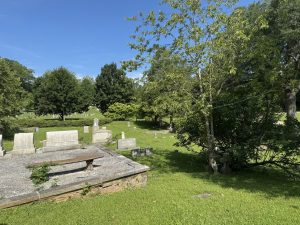
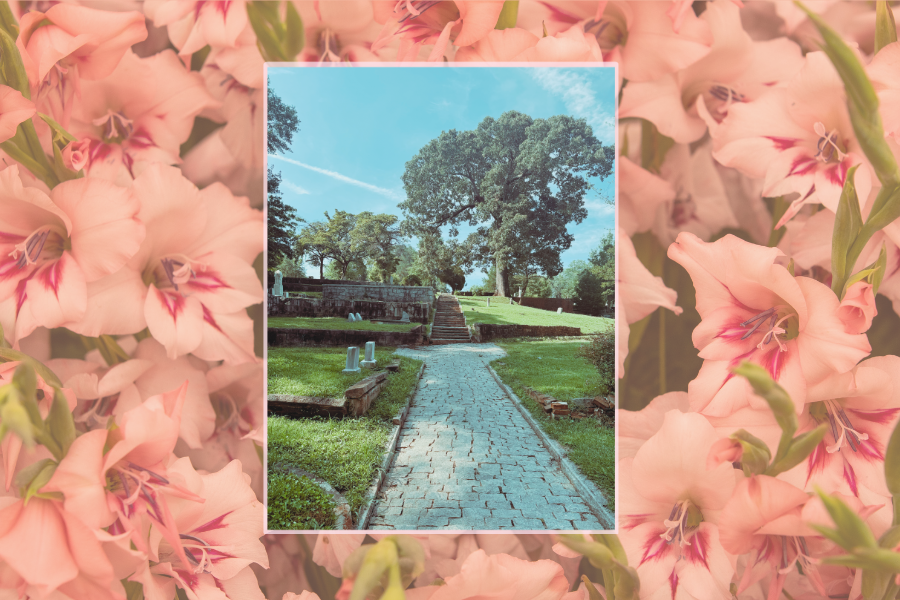
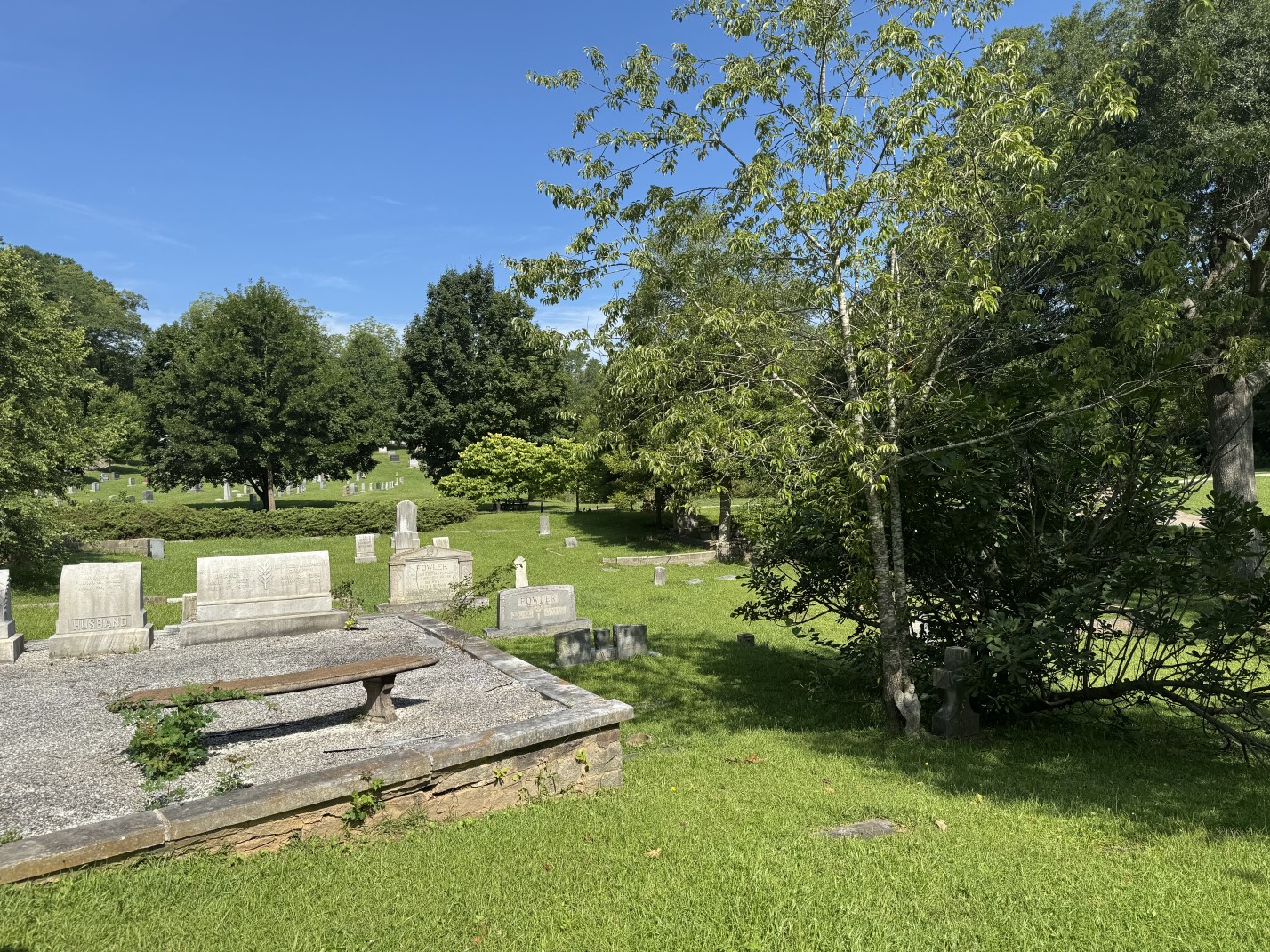
Historic African American Section at Decatur Cemetery.
When enslaved Africans were transported to the United States, they brought their physical labor and ancestral traditions. Many African cultures emphasize the importance of death as a transition into the spiritual world. In the United States, these beliefs became foundational to Black American funeral practices. Though slaveholders sought to erase African cultures, enslaved people found ways to hold on to their traditions. While these practices were sometimes hidden due to fear of punishment, they laid the groundwork for the distinctive funeral customs that would emerge within Black communities. For example, they practiced rituals to protect the deceased’s spirit, such as placing personal belongings or charms on graves for use in the afterlife, or to prevent spirits from returning to the land of the living.
Regarding the superstitions of traditional African folklore, many beliefs centered on the concept of going to heaven and the ongoing presence of the dead among the living. Spirits were thought to linger near the body after death, requiring care and guidance to transition peacefully. In some West African traditions, it was believed that disturbing a grave could unleash a restless spirit. With offerings and rituals, the living would be protected from them. These superstitions carried profound spiritual meaning and helped foster a sense of communal responsibility around burials. Elements of these beliefs persist in Black communities reflecting a reverence for ancestors and a desire to maintain spiritual harmony between worlds.
The Book of Negro Folklore, by Langston Hughes and Arna Bontemps, shows how many of the supernatural beliefs became commonplace in the everyday lives of Black Americans. Stories of haints (restless spirits), witches, and conjure men reflected a point of view where the spiritual realm was ever present and intertwined with the living world. One example is graveyard soil, which was considered spiritually charged due to its connection to the dead. In hoodoo tradition, this soil was an ingredient in “goofer dust” – said to be a powerful substance used in harmful spells. Goofer dust was made from grave soil, powdered bones, herbs, and other materials. When used maliciously the dust would cause sickness, misfortune or death. It was occasionally used for protection from evil. The belief in its power reflected a deep respect for the dead and the energy believed to reside in burial spaces. Black cemeteries were spiritual landscapes where ancestral forces were active, accessible, and deserving of reverence. These beliefs – passed down through generations – helped preserve African identity in the face of oppression.
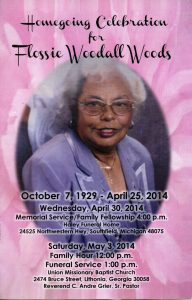
Funeral Program of Flossie Woodall Woods (1929-2014), Ellis Woodall Jr. Funeral Program Collection.
The “Homegoing” ceremony originated during the time of slavery, and was born out of deep pain. The tradition was started by enslaved Black people to honor the dead and express their grief. These funerals were held in informal, often secret locations like “hush arbors,” hidden in the woods near the plantation. Here the enslaved could mourn out of view of their captors. The ceremonies took place at night with mourners risking punishment to sing spirituals, pray, and perform rituals to honor the dead.
The ceremonies were more than just expressions of sorrow; they celebrated the life of the dead, affirmed their humanity, and marked their spiritual transition from bondage to freedom. The music played a huge role, with songs like “Swing Low, Sweet Chariot” and “Soon and Very Soon” carrying dual meanings, lamenting the loss of a loved one and praying for peace in the afterlife.
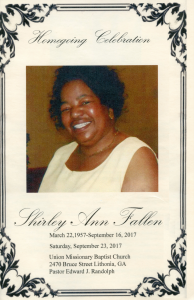
Funeral Program of Shirley Ann Fallen (1957-2017), Ellis Woodall Jr. Funeral Program Collection.
Homegoing ceremonies evolved with time, but the core elements remained consistent. The ceremonies would become standard practice and included eulogies, songs, prayers, and dances. The idea of “home” in the Homegoing tradition symbolized the return to Africa or the ancestors, and a spiritual return to peace, freedom, and unity. Since enslaved Black people did not have access to formal cemeteries, they were typically buried on the plantation land in secluded marginal areas the slaveholders deemed insignificant. The physical space itself, though overlooked by their slaveholders, was transformed into a spiritual site for mourning and remembering.
Without access to headstones, families used whatever they had to create memorials. Graves were marked by fieldstones, wood stakes, or objects to symbolize the presence and memory of a lost loved one. Shells, glass bottles, iron objects, and household items were commonly placed on or around the graves.
According to Lay Down Body by Roberta Hughes Wright and Wilbert L. Hughes III, preparing the body for burial was an essential and sacred part of this process. In many Black communities, especially in rural areas, the body was typically washed, dressed, and laid out by family or designated caretakers. The deceased might be dressed in white garments or in their Sunday best to symbolize purity and readiness for the afterlife. If a coffin was unavailable, the body could be wrapped in a burial shroud or placed in a handmade wooden box. Personal items, such as a Bible or a piece of cloth, might be included with the body. The preparations honored the deceased while affirming dignity, respect, and continuity through rituals that connected the living to their ancestors.
During the Civil War, Black American soldiers served as medical assistants. It is here they would learn embalming, which was essential for the evolution of funeral practices. The end of the Civil War marked a profound shift in the lives of the formerly enslaved Black Americans. Emancipation brought freedom and the urgency to create community-led institutions including Black-owned funeral homes.
Before emancipation, Black families often had no choice but to turn to white-owned funeral services, if they were offered any services at all. Racial segregation often subjected Black families to denial of proper burial care. If white funeral homes accepted them, the services were often substandard, rushed, or marked by the indignity of separate treatment. There were even cases in which Black bodies were embalmed incorrectly, or buried in poor sections of the cemeteries.
In response, Black Americans began establishing their funeral businesses during Reconstruction, a trend that continued into the 20th century. These enterprises were not limited to providing services, they were places to create self-sustaining autonomy. Funeral directors were among the earliest and most respected Black professionals in their community. They handled the logistics of burials while offering support to grieving families. Since the white cemeteries were closed to Black families, these funeral homes worked in tandem with Black churches to establish burial grounds and host funeral services in church sanctuaries.
By the early 20th century, these businesses grew in influence and visibility. Many Black funeral directors joined professional associations like the National Funeral Directors and Morticians Association to support one another and ensure quality standards in their work. These organizations also served as crucial spaces for Black networking, advocacy, and education through mentorship, business resources, and collective power. Funeral homes also became safe spaces during the Civil Rights Movement. When Black churches were bombed, civil rights leaders were assassinated, and police violence terrorized protestors, Black funeral directors often stepped forward to arrange dignified burials and public services. Their work elevated the funerals of civil rights martyrs into national moments of resistance and remembrance.
Our second installment will delve into the histories of four DeKalb County cemeteries.
Bibliography
“Grave Matters: The Preservation of African-American Cemeteries.” Grave Matters – The Chicora Foundation, 1996. https://www.sciway.net/hist/chicora/gravematters.html.
PBS Voices. “The History of the South’s Forbidden Black Burials.” YouTube, February 14, 2023. https://youtu.be/VyuHtFZo1Qw.
Hughes Wright, Roberta, Wilbur B. Hughes, and Gina Renée Misiroglu. Lay Down Body: Living History in African American cemeteries. Detroit: Visible Ink Press, 1996.
Hughes, Langston, and Arna Bontemps. The Book of Negro Folklore. New York: Dodd, Mead, 1958.
Terrell, Ellen. “Honoring African Americans: Celebrating Life in Death – African American Funeral Homes: Inside Adams.” The Library of Congress, February 16, 2021. https://blogs.loc.gov/inside_adams/2021/02/african-american-funeral-homes/.
Caitlin Doughty. “Why Are Black & White Funeral Homes STILL Separate?” YouTube, April 18, 2020. https://youtu.be/W4-0iAzFIcI.